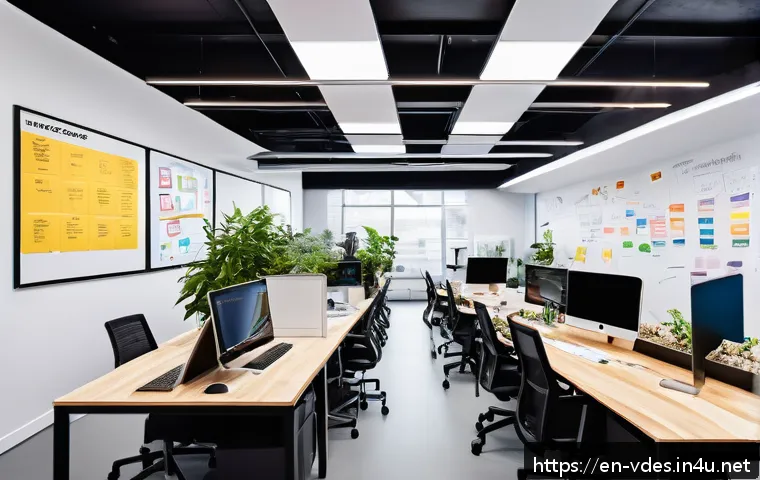
In today’s fast-paced creative landscape, leading a visual design team requires more than just artistic talent—it demands a unique blend of leadership skills that spark innovation and motivate diverse minds.
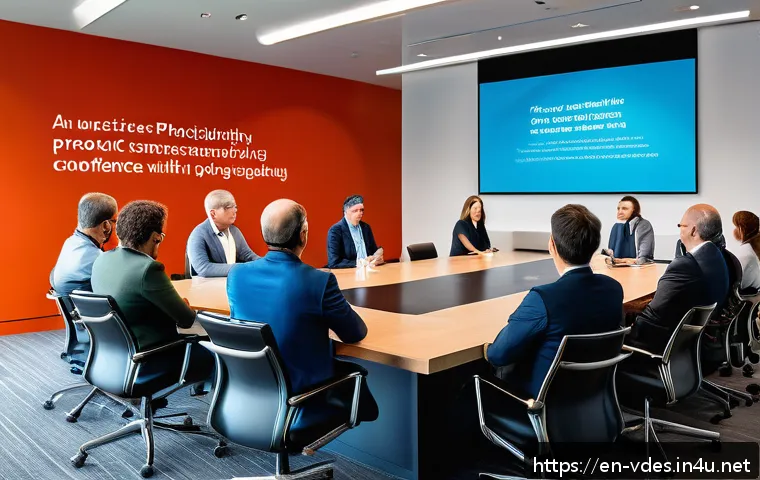
As organizations increasingly prioritize user experience and brand storytelling, mastering visual design leadership has become essential for driving meaningful impact.
Whether you’re stepping into a leadership role or aiming to elevate your team’s creative output, understanding how to inspire and guide others can transform ideas into groundbreaking solutions.
Let’s explore the core skills that empower design leaders to foster creativity, nurture collaboration, and stay ahead in an ever-evolving industry. If you’re passionate about unlocking your team’s full potential, this journey will offer valuable insights and practical strategies to help you thrive.
Building a Culture That Fuels Creative Confidence
Encouraging Risk-Taking Without Fear of Failure
One of the most powerful ways to inspire a visual design team is by cultivating an environment where taking creative risks is not just accepted but celebrated.
When I first started leading a design team, I noticed that people were hesitant to share bold ideas, fearing criticism or rejection. Shifting this mindset required deliberate encouragement.
I began openly praising attempts—even those that didn’t work out—and shared stories of famous design failures that led to breakthroughs. This approach gradually lowered the barriers, allowing the team to experiment more freely.
It’s not about reckless creativity, but about creating psychological safety where innovation can thrive without the constant worry of being wrong.
Celebrating Small Wins to Boost Morale
Recognizing incremental progress has a huge impact on motivation. In a creative process that can sometimes feel endless, small victories often go unnoticed.
I make it a point to highlight these moments—whether it’s a successful prototype, a clever color scheme, or an insightful user feedback session. This consistent recognition not only reinforces positive behaviors but also builds momentum.
It’s like fueling a fire; the more you feed it, the stronger it burns. Team members start to feel valued and more connected to the project’s overall success, which naturally elevates their creative output.
Fostering Open Dialogue Through Regular Feedback
Open, honest communication is the backbone of any creative team’s success. When I implemented weekly feedback sessions, it transformed how we approached projects.
These meetings aren’t about critiquing for the sake of it but about constructive dialogue where everyone’s voice matters. I encourage sharing not just what’s working but also what’s challenging, which often sparks collaborative problem-solving.
This ongoing conversation helps avoid bottlenecks and ensures alignment, making the creative process more fluid and inclusive.
Mastering the Art of Storytelling Through Design
Aligning Visuals with Brand Narratives
Design is more than aesthetics—it’s a storytelling tool that conveys a brand’s identity and values. Early in my leadership journey, I realized that the most compelling designs were those deeply rooted in the brand’s story.
To achieve this, I work closely with marketing and product teams to understand the core message. This alignment ensures that every visual element, from typography to imagery, reinforces the narrative.
When the team grasps this connection, their designs resonate more profoundly with the target audience, creating a cohesive and memorable experience.
Using Empathy to Craft User-Centric Designs
Empathy is a secret weapon in design leadership. Putting ourselves in the users’ shoes helps us create visuals that aren’t just beautiful but meaningful and intuitive.
I encourage my team to engage with real users through interviews or usability testing, which often reveals unexpected insights. These encounters inspire design decisions that address real pain points rather than assumptions.
Personally experiencing user reactions has made me appreciate the value of empathy-driven design, and it’s a practice I constantly champion with my team.
Leveraging Visual Hierarchy to Guide Attention
Effective storytelling through design hinges on guiding the viewer’s eye in a purposeful way. Teaching the principles of visual hierarchy—like contrast, scale, and spacing—has been essential in my leadership toolkit.
By consciously arranging elements, the team can direct attention to key messages without overwhelming users. I’ve found that workshops and real-time critiques where we analyze hierarchy in existing designs help solidify this understanding.
It’s rewarding to see how small tweaks in layout can dramatically improve communication and user engagement.
Driving Collaboration Across Diverse Disciplines
Bridging Gaps Between Designers and Developers
One of the biggest challenges I faced was fostering smooth collaboration between designers and developers. Their workflows and priorities often differ, which can lead to friction.
To bridge this gap, I introduced joint sprint planning sessions and cross-functional reviews. This created a shared language and mutual respect for each other’s constraints and goals.
I also encouraged pairing sessions where a designer and developer work together early in the process, preventing costly misunderstandings down the line.
This practice not only improved efficiency but also strengthened team bonds.
Integrating Feedback from Stakeholders Without Compromising Creativity
Managing diverse stakeholder input can be tricky, especially when feedback conflicts with design vision. I learned that the key is to listen actively and translate their needs into design goals rather than taking criticism personally.
Setting clear expectations about the design process and educating stakeholders on design principles helps align everyone. When disagreements arise, I facilitate conversations that focus on the user experience and data-driven insights, which often steer decisions away from subjective opinions.
This approach protects creative integrity while respecting business objectives.
Encouraging Cross-Pollination of Ideas
Innovation often sparks at the intersection of different perspectives. I promote cross-pollination by organizing informal brainstorming sessions with colleagues from marketing, product, and even customer support.
These diverse viewpoints bring fresh ideas and help the design team see challenges through new lenses. I’ve witnessed firsthand how these collaborative moments lead to unexpected solutions that wouldn’t have emerged in a siloed environment.
It’s also a great way to build empathy across departments and foster a more unified company culture.
Balancing Visionary Leadership with Practical Execution
Setting Clear Goals While Allowing Creative Freedom
Striking the right balance between guiding the team and giving them space to innovate is an ongoing challenge. I’ve found that setting clear, measurable goals early on provides a framework within which creativity can flourish.
For example, defining target user outcomes or brand alignment criteria creates guardrails without stifling experimentation. This clarity helps designers prioritize efforts and make decisions confidently.

At the same time, I encourage them to explore unconventional ideas within those boundaries, which often leads to breakthroughs.
Managing Time and Resources Effectively
Creative projects can easily spiral out of control if time and resources aren’t managed well. I use project management tools to map out realistic timelines and allocate resources thoughtfully.
Regular check-ins help identify roadblocks early, enabling course corrections before issues escalate. Personally, I try to remain flexible—knowing when to push for deadlines and when to allow extra time for refinement.
This balance ensures that the team delivers high-quality work without burnout, fostering a sustainable creative rhythm.
Adapting Leadership Style to Team Needs
No two designers are the same, and effective leaders tailor their approach to individual strengths and challenges. Early in my leadership experience, I learned the importance of one-on-one meetings to understand each team member’s motivations and hurdles.
Some thrive with hands-on guidance, while others prefer autonomy. By adjusting my style—whether it’s coaching, mentoring, or stepping back—I help each person grow and contribute their best.
This personalized approach not only improves performance but also builds trust and loyalty within the team.
Staying Ahead by Embracing Continuous Learning
Keeping Up with Emerging Design Trends and Tools
The design landscape evolves rapidly, and staying current is crucial for maintaining a competitive edge. I make it a habit to follow industry leaders, attend webinars, and experiment with new design software.
Sharing these learnings with my team sparks curiosity and encourages them to explore fresh techniques. For example, adopting prototyping tools like Figma early on transformed our workflow and client presentations.
This culture of continuous learning keeps the team agile and excited about innovation.
Encouraging Skill Development Through Workshops and Mentorship
Investing in professional growth pays dividends in creativity and morale. I organize regular workshops on topics ranging from color theory to UX principles, often bringing in external experts for fresh perspectives.
Mentorship programs also allow junior designers to learn from seasoned professionals, accelerating their development. Personally, watching team members gain confidence and expand their skill sets has been one of the most rewarding parts of leadership.
Using Feedback Loops to Refine Processes
Continuous improvement isn’t just about skills but also about optimizing how the team works. I established feedback loops where the team reflects on completed projects to identify what went well and what could be better.
This honest assessment leads to tweaks in workflows, communication, or tool usage. Over time, these small adjustments compound, resulting in smoother processes and higher quality outcomes.
It’s a dynamic approach that keeps the team evolving alongside the industry.
Essential Communication Techniques for Design Leaders
Crafting Clear and Compelling Design Presentations
Presenting design concepts to stakeholders can make or break a project’s success. I’ve learned that storytelling is key—framing designs within the context of user needs and business goals helps garner buy-in.
Using visuals to support key points rather than overwhelming slides keeps attention focused. Practicing presentations and anticipating questions also boosts confidence.
When I lead by example in clear communication, the team feels empowered to share their work with conviction.
Active Listening to Understand Team and Client Needs
Listening is often underrated but is critical in leadership. I make a conscious effort to fully hear what team members and clients express—verbal and non-verbal cues alike.
This practice reveals underlying concerns or ideas that might otherwise go unnoticed. Active listening fosters respect and often leads to more effective problem-solving.
In my experience, people feel more valued and motivated when they know their voices are truly heard.
Negotiating Solutions Amid Conflicting Priorities
Balancing competing demands is a daily reality. Whether it’s tight deadlines, budget constraints, or differing stakeholder visions, negotiation skills are essential.
I approach these situations by focusing on shared goals and seeking win-win outcomes. Being transparent about limitations while proposing creative compromises often diffuses tension.
Over time, this collaborative negotiation style builds stronger relationships and smoother project delivery.
| Leadership Skill | Practical Strategy | Impact on Team |
|---|---|---|
| Encouraging Risk-Taking | Celebrate attempts and share failure stories | Boosts innovation and psychological safety |
| Aligning Visuals with Brand | Collaborate with marketing/product teams | Creates cohesive and resonant designs |
| Bridging Designers and Developers | Joint sprint planning and pairing sessions | Improves collaboration and reduces friction |
| Balancing Vision and Execution | Set clear goals with creative freedom | Enhances focus and encourages innovation |
| Continuous Learning | Workshops, mentorship, trend tracking | Keeps team agile and skilled |
| Effective Communication | Storytelling in presentations, active listening | Builds trust and secures stakeholder buy-in |
Conclusion
Building a culture that nurtures creative confidence is essential for any design team aiming for lasting success. By encouraging risk-taking, fostering open communication, and aligning vision with execution, leaders can unlock their team’s full potential. Embracing continuous learning and effective collaboration further strengthens this foundation. Ultimately, a supportive environment not only boosts creativity but also drives meaningful, user-centered design outcomes.
Helpful Information to Keep in Mind
1. Encouraging a safe space for creative risks allows team members to innovate without fear of failure.
2. Celebrating small achievements consistently helps maintain motivation and momentum.
3. Regular feedback sessions promote open dialogue and ensure alignment across the team.
4. Understanding the brand’s story and user needs leads to more impactful and relevant designs.
5. Balancing clear goals with creative freedom empowers designers to explore while staying focused.
Key Takeaways
Successful design leadership hinges on creating an environment where creativity thrives through psychological safety and collaboration. Aligning design efforts with brand narratives and user empathy ensures meaningful outcomes. Effective communication and adaptability in leadership styles strengthen team dynamics. Prioritizing continuous learning and skill development keeps the team agile and innovative. Lastly, managing resources and expectations thoughtfully guarantees sustainable productivity and high-quality results.
Frequently Asked Questions (FAQ) 📖
Q: uestions about Visual Design LeadershipQ1: What are the most important leadership skills for managing a visual design team effectively?
A: Leading a visual design team goes beyond artistic ability; it requires empathy, clear communication, and the ability to inspire creativity. From my experience, fostering an environment where team members feel safe to share bold ideas is crucial.
Strong decision-making skills help balance innovation with project goals, while adaptability ensures the team can pivot when user needs or brand directions change.
Also, providing constructive feedback and recognizing individual contributions keeps motivation high and drives continuous improvement.
Q: How can a design leader encourage collaboration among diverse creative talents?
A: Encouraging collaboration starts with building trust and open communication channels. I’ve found that organizing regular brainstorming sessions where all voices are heard helps break down silos and sparks fresh ideas.
Embracing diverse perspectives leads to richer solutions. Tools like shared digital workspaces and clear project briefs also keep everyone aligned. Importantly, celebrating team successes together strengthens bonds and motivates members to collaborate more effectively.
Q: What strategies help design leaders stay innovative in a rapidly changing industry?
A: Staying innovative means committing to continuous learning and experimentation. Personally, I make it a habit to explore emerging design trends and technologies, then share those insights with my team.
Encouraging a culture where failure is seen as a learning opportunity allows designers to take risks without fear. Additionally, connecting with other design leaders and attending industry events can provide fresh inspiration.
Balancing client needs with creative exploration ensures the team delivers cutting-edge work that resonates.