In a world where visual storytelling is more powerful than ever, mastering design skills can truly set you apart. With 2024 bringing fresh trends and innovative tools, now is the perfect time to dive into online visual design courses that unlock your creative potential.

Whether you’re a beginner or looking to level up, these courses offer hands-on experience and expert guidance tailored to today’s fast-evolving digital landscape.
Stick around as we explore the best options that can transform your ideas into stunning visuals, helping you stand out in both personal projects and professional pursuits.
Ready to unleash your creativity? Let’s get started!
Choosing the Right Visual Design Course for Your Goals
Understanding Different Course Formats
When diving into visual design, one of the first things you’ll notice is the variety of course formats available. From self-paced video tutorials to live interactive workshops, each format offers distinct advantages.
Self-paced courses let you learn on your own schedule, which is perfect if you juggle a busy life or prefer digesting information slowly. On the other hand, live workshops provide real-time feedback and community interaction, which can speed up your learning curve and keep motivation high.
Personally, I found that mixing both formats helped me stay flexible while still pushing myself to meet deadlines and apply concepts immediately.
Matching Courses to Skill Levels
Beginners often feel overwhelmed by the sheer amount of content out there. The key is to pick courses that clearly state their target skill level. Introductory classes usually focus on foundational principles like color theory, typography, and layout basics, while advanced courses dive into UX/UI design, animation, or branding strategies.
For example, when I first started, a beginner-friendly course that emphasized hands-on projects made a huge difference because I wasn’t just watching videos — I was creating actual designs.
If you’re already comfortable with the basics, look for courses that offer portfolio-building projects or certifications to showcase your skills professionally.
Tools and Software Covered
In 2024, the design tool landscape is evolving rapidly. Popular programs like Adobe Photoshop and Illustrator remain staples, but newer tools such as Figma and Canva are gaining massive traction due to their collaborative features and ease of use.
When selecting a course, consider which software aligns with your goals and industry demands. I personally recommend learning at least one vector-based tool like Illustrator or Figma because they’re essential for creating scalable designs.
Also, courses that include practical exercises using these tools help solidify your understanding far better than theory alone.
Building a Strong Foundation in Design Principles
Mastering Color Theory and Composition
Color is more than just decoration; it influences emotions and guides viewer attention. A solid grasp of color theory can elevate your designs from amateur to professional.
When I first experimented with complementary and analogous color schemes, my work immediately felt more cohesive and visually appealing. Courses that offer interactive color exercises or real-world case studies can deepen your understanding of how color impacts branding and user experience.
Typography: The Art of Type
Typography is often underestimated but plays a crucial role in communicating your message clearly. Learning how to pair fonts, control spacing, and maintain readability are skills every designer needs.
I recall a course where we spent hours experimenting with font families and kerning, which helped me appreciate how tiny adjustments can drastically change the tone of a design.
Look for courses that provide downloadable font libraries or assignments involving real projects like posters or social media graphics.
Composition and Layout Techniques
Effective composition ensures your design elements work harmoniously. Whether it’s balancing white space or creating a visual hierarchy, these principles guide the viewer’s eye and emphasize key messages.
I found that courses with step-by-step breakdowns of famous designs helped me understand why certain layouts are more successful. Practicing grid systems and alignment exercises will boost your confidence in creating clean, professional layouts for websites, apps, or print media.
Hands-On Practice with Real Projects
Project-Based Learning Benefits
Nothing beats learning by doing, especially in design. Courses that incorporate real-world projects give you a chance to apply theory, make mistakes, and refine your skills.
When I tackled projects like designing a brand logo or a website landing page, I noticed my problem-solving abilities improving alongside technical skills.
These experiences are invaluable when building a portfolio that truly reflects your capabilities.
Feedback and Community Interaction
Receiving constructive feedback is crucial for growth. Many online courses now offer forums, peer reviews, or instructor critiques that mimic a classroom environment.
I’ve found that engaging with a community of fellow learners not only provides diverse perspectives on my work but also keeps me accountable and inspired.
If a course lacks these interactive elements, consider supplementing your learning with design communities on platforms like Behance or Dribbble.
Balancing Creativity and Technical Skills
While mastering software tools is important, nurturing your creative instincts is equally vital. The best courses strike a balance by encouraging experimentation and critical thinking alongside technical tutorials.
In my experience, assignments that pushed me to think conceptually—like creating mood boards or storytelling through visuals—helped me develop a unique design voice rather than just replicating templates.
Exploring Specialized Design Niches
User Experience (UX) and User Interface (UI) Design
As digital products dominate, UX/UI design has become one of the most sought-after skills. Courses in this niche cover user research, wireframing, prototyping, and usability testing.
When I ventured into UX design, learning to empathize with users and create intuitive interfaces opened up a whole new dimension of design thinking. For those interested in app or web design, specialized courses that include tool training with Figma or Sketch are particularly valuable.
Motion Graphics and Animation
Adding motion to your designs can dramatically increase engagement, especially on social media and digital advertising platforms. Learning animation basics with tools like After Effects or Blender can be intimidating at first, but well-structured courses break down complex techniques into manageable steps.
I remember the thrill of seeing my first animated logo come to life after just a few lessons—it’s a fantastic way to stand out in a crowded market.
Branding and Visual Identity
Branding goes beyond logos; it’s about crafting a consistent visual language that communicates a company’s values and personality. Courses focused on branding teach you how to develop color palettes, typography systems, and design guidelines that ensure cohesion across all touchpoints.
When I worked on brand identity projects, the challenge of translating abstract ideas into visuals sharpened my creative problem-solving skills and boosted my confidence working with clients.
Comparing Popular Online Platforms for Visual Design
Course Variety and Depth
Different platforms cater to diverse learning needs. Some excel in beginner-friendly content, while others offer advanced specializations. For example, Coursera partners with universities to provide academic-style courses, whereas Skillshare focuses on quick, creative projects.
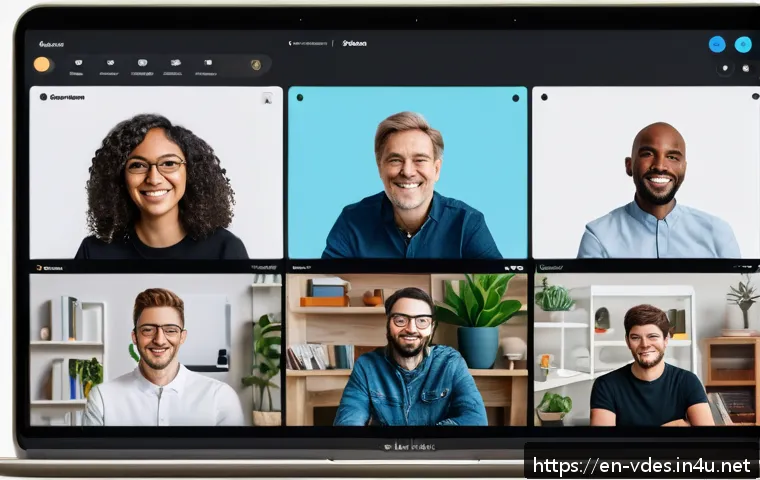
I’ve tried both and noticed that Coursera’s structured approach suits those wanting a deep dive, while Skillshare’s bite-sized classes are great for experimenting with new styles.
Pricing and Subscription Models
Budget plays a big role in deciding where to learn. Many platforms offer free trials or individual course purchases, but subscription models often provide better value if you plan to take multiple classes.
I personally prefer annual subscriptions because they encourage me to commit and explore a wider range of topics without worrying about extra fees.
Certification and Career Support
If you’re aiming to boost your resume, courses that offer recognized certificates or career resources can be a game changer. Platforms like LinkedIn Learning provide certificates that link directly to your profile, helping recruiters notice your skills.
Additionally, some platforms offer job boards or mentorship programs, which I found helpful when transitioning from hobbyist to professional designer.
| Platform | Course Format | Skill Level Focus | Pricing Model | Certification |
|---|---|---|---|---|
| Coursera | Video lectures, assignments, peer-reviewed projects | Beginner to advanced | Subscription or per course | Yes, university-backed certificates |
| Skillshare | Short video lessons, project-based | Beginner to intermediate | Subscription | No formal certificates |
| LinkedIn Learning | Video tutorials, quizzes | Beginner to advanced | Subscription | Yes, LinkedIn certificates |
| Udemy | Video courses, lifetime access | All levels | One-time purchase | Yes, course completion certificates |
| Domestika | Creative video courses, projects | Beginner to advanced | One-time purchase | Yes, certificates of completion |
Leveraging Your New Skills in Real Life
Building a Portfolio That Shines
A portfolio is your design story in visual form. When I started, I struggled with what to include until I realized quality beats quantity. Highlight projects that showcase a range of skills and styles, and don’t be afraid to add personal projects that show your passion.
Many courses guide you through portfolio creation, which can be a huge help if you’re unsure where to start.
Networking and Community Engagement
Connecting with other creatives opens doors to collaboration and job opportunities. Platforms like Behance, Dribbble, and even Instagram serve as places to share your work and get feedback.
I made some of my most valuable professional contacts through online design communities, which also kept me motivated when facing creative blocks.
Continuing Education and Staying Current
Design trends and tools evolve fast, so ongoing learning is crucial. Even after completing courses, I make it a habit to follow design blogs, attend webinars, and experiment with new software features.
This commitment to growth not only improves my skills but also keeps my work fresh and relevant in a competitive market.
Integrating Visual Design into Your Career Path
Freelancing and Client Work
Many designers find freelancing rewarding because it offers creative freedom and diverse projects. However, managing clients and deadlines can be challenging.
Courses that include business skills like client communication, pricing, and contracts helped me navigate this transition smoothly. Building a clear process for proposals and feedback ensures both you and your clients are on the same page.
Incorporating Design in Marketing and Social Media
Visual design is a powerful tool for marketers aiming to capture attention quickly. Learning to create eye-catching social media graphics, infographics, and ads can boost engagement dramatically.
I noticed a huge difference in my content’s reach once I applied design principles, and many courses now tailor lessons specifically for digital marketing needs.
Advancing Within Corporate Roles
Even if you’re not a full-time designer, having visual design skills enhances your value in many corporate roles—from product management to content creation.
I’ve seen colleagues use these skills to improve presentations, internal communications, and branding initiatives, making them indispensable team members.
Some courses offer certifications that can support internal promotions or role changes.
Maximizing Learning with the Latest Design Tools
Exploring AI-Powered Design Assistants
Artificial intelligence is transforming how designers work by automating repetitive tasks and generating creative suggestions. Tools like Adobe Sensei or Canva’s Magic Resize are becoming standard parts of the workflow.
I experimented with AI-assisted design and found it speeds up brainstorming and iteration, letting me focus more on the creative concept.
Collaborative Platforms for Remote Teams
With remote work now the norm, platforms like Figma and Miro have revolutionized team collaboration. These tools allow multiple designers and stakeholders to work on projects simultaneously, share feedback instantly, and maintain version control.
Using these tools taught me the importance of clear communication and structured workflows in producing high-quality designs efficiently.
Staying Ahead with Regular Updates
Software companies frequently update their tools with new features and improvements. Keeping up-to-date ensures you’re not missing out on productivity boosts or cutting-edge capabilities.
I recommend subscribing to newsletters or following official channels to get early access to tutorials and tips, which can give you an edge in your projects and professional presentations.
Conclusion
Choosing the right visual design course is a vital step toward achieving your creative goals. Whether you’re a beginner or looking to specialize, finding a course that fits your learning style and career aspirations makes all the difference. Remember, hands-on practice and ongoing learning will keep your skills sharp and relevant in this fast-evolving field.
Helpful Tips
1. Identify your current skill level before selecting a course to ensure the content matches your needs.
2. Prioritize courses that offer practical projects to build a strong portfolio.
3. Explore tools that are widely used in the industry, like Figma or Adobe Illustrator, to stay competitive.
4. Engage with online communities for feedback, motivation, and networking opportunities.
5. Keep updating your skills regularly by following trends and new software features.
Key Takeaways
Finding the right visual design course requires balancing your learning preferences, skill level, and career goals. Practical experience through real projects and community interaction accelerates growth and confidence. Leveraging modern tools and staying updated with industry trends ensures your design skills remain relevant and valuable. Finally, integrating your new skills into real-world applications, whether freelancing or corporate roles, will maximize your creative potential and professional success.
Frequently Asked Questions (FAQ) 📖
Q: What level of design experience do I need to start an online visual design course?
A: Most online visual design courses are designed to accommodate all skill levels, from absolute beginners to advanced designers. If you’re just starting out, look for beginner-friendly courses that cover fundamental principles and tools.
For those with some experience, intermediate or specialized courses can help you refine your skills and explore new techniques. Personally, I found starting with a beginner course eased me into design concepts without feeling overwhelmed, making the learning process enjoyable and effective.
Q: How can online visual design courses help me stay updated with 2024 design trends?
A: Online courses often update their content regularly to reflect the latest trends, tools, and best practices in design. Many instructors are industry professionals who share insider tips and real-world applications, ensuring you learn what’s relevant today.
When I enrolled in a course this year, the hands-on projects included current styles like minimalism, bold typography, and motion graphics, which helped me create visuals that feel fresh and modern.
Staying current not only boosts your creativity but also enhances your marketability in a competitive field.
Q: Are these courses worth the investment if I want to use design skills for personal projects rather than professional work?
A: Absolutely! Even if you’re designing for personal projects, investing in a quality visual design course can dramatically improve the quality and impact of your work.
From creating eye-catching social media posts to designing invitations or personal branding, the skills you gain will make your projects stand out. From my own experience, learning design basics saved me time and frustration when crafting visuals for my blog and social channels, and it felt incredibly rewarding to see my ideas come to life exactly as I envisioned.
Plus, many courses offer flexible pricing or free trials, so you can explore without a big upfront cost.