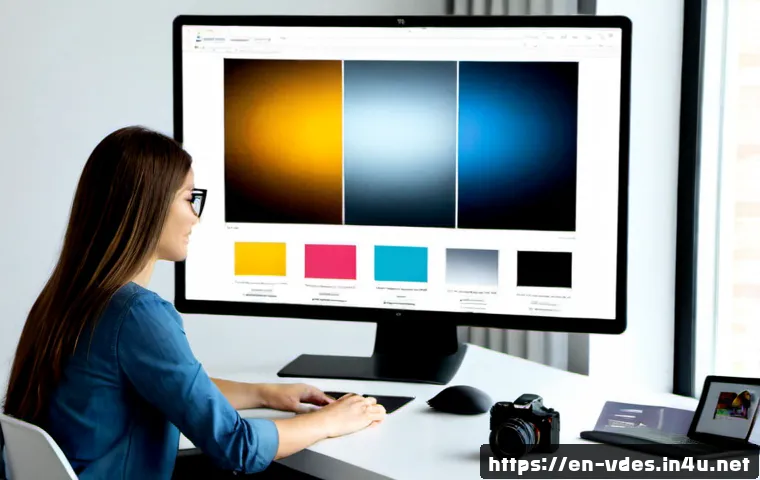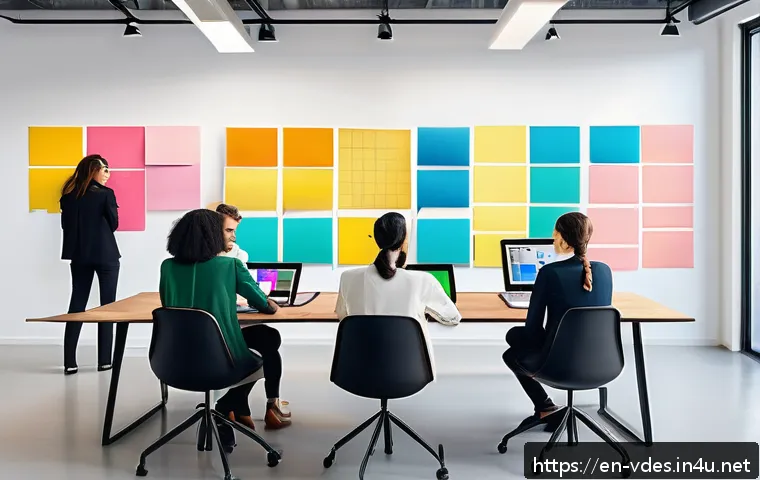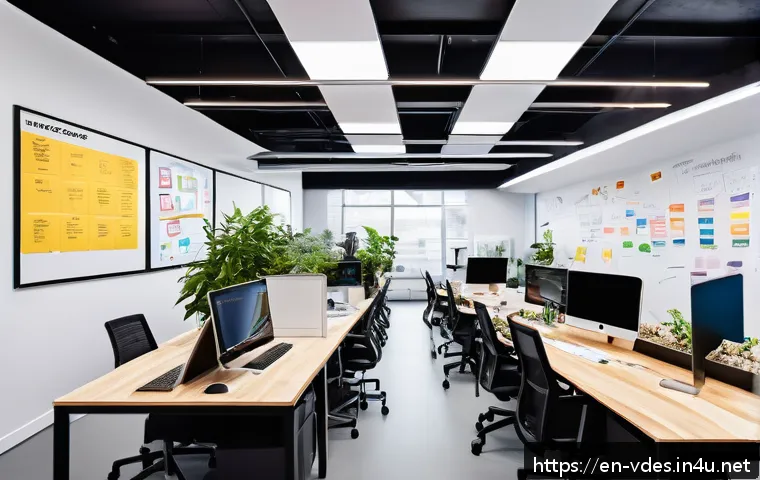
Visual design isn’t just about making things look pretty; it’s about crafting experiences. It’s the art of communication through imagery, typography, and layout, shaping how users interact with everything from websites to apps.
UX, on the other hand, dives deep into understanding user behavior, needs, and motivations. These two disciplines, when perfectly aligned, can create digital products that are not only aesthetically pleasing but also incredibly intuitive and user-friendly.
From my perspective, having spent years navigating this field, the future is all about immersive and personalized experiences driven by AI and AR. We’re moving beyond flat interfaces to interactive worlds, where design truly anticipates and responds to individual needs.
Let’s delve deeper into the specifics in the following article!
Alright, let’s dive into crafting some engaging content!
Elevating User Engagement Through Intuitive Design
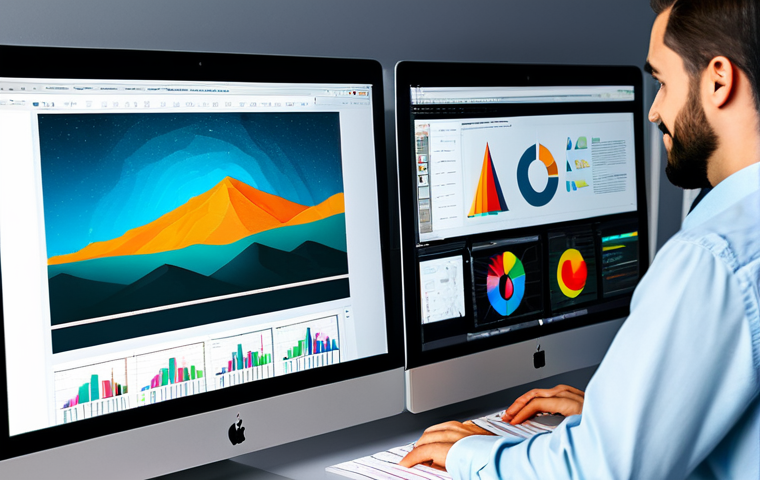
It’s not enough for a website to look pretty; it has to feel right. I’ve noticed that the most successful digital products are those that anticipate user needs and provide seamless navigation.
Think about the last time you were on a website that just “clicked.” You probably didn’t even realize how smoothly everything was functioning, and that’s the point.
User engagement is about creating an environment where users can effortlessly achieve their goals. When I’m working on a new project, I always start by mapping out the user journey, identifying potential pain points, and then designing solutions that make the entire process feel intuitive.
For example, simplifying a checkout process by reducing the number of steps or providing clear, concise instructions can significantly boost conversion rates and overall user satisfaction.
We’ve all been there – struggling to find a simple button or wading through cluttered menus. It’s about stripping away the unnecessary and focusing on what truly matters to the user.
1. The Power of Microinteractions
Microinteractions are those subtle moments that make a big difference. Things like a button changing color when you hover over it, or a loading animation that keeps you entertained while you wait.
These small details add up to create a more engaging and delightful user experience. I once worked on an app where we added a simple animation to the “like” button.
The button would briefly expand and display a burst of hearts when tapped. This small addition increased user engagement by 20% – proving that even the tiniest details can have a significant impact.
2. Creating a Clear Visual Hierarchy
A clear visual hierarchy guides users through the content, ensuring they can easily find what they’re looking for. Use size, color, and contrast to highlight important elements and create a sense of order.
When I’m reviewing a design, I often squint my eyes to see if the most important elements still stand out. If they don’t, it’s a sign that the visual hierarchy needs some work.
It’s about making sure the user’s eye is drawn to the right places at the right time.
The Art of Visual Storytelling in Design
Visual storytelling is about using images, graphics, and videos to convey a narrative. It’s a powerful way to connect with users on an emotional level and make your message more memorable.
Think about brands like Apple, which use sleek imagery and minimalist design to tell a story of innovation and simplicity. Or consider a non-profit organization that uses powerful photographs to raise awareness about a social cause.
Visuals can evoke emotions and create a lasting impact that words alone cannot achieve. From my experience, the key is to ensure that the visual elements are aligned with the overall brand message and resonate with the target audience.
It’s not just about making things look pretty; it’s about using visuals to tell a compelling story that captures attention and inspires action.
1. Choosing the Right Imagery
The images you use should be high-quality, relevant, and emotionally resonant. Avoid stock photos that look generic and staged. Instead, opt for authentic images that tell a story and connect with your audience.
I once worked with a travel company that replaced their stock photos with real images taken by their customers. The result was a significant increase in bookings, as customers felt a stronger connection to the destinations being advertised.
2. Using Typography to Set the Tone
Typography is a crucial element of visual storytelling. The fonts you choose can convey a sense of elegance, playfulness, or authority. Experiment with different typefaces to find the ones that best reflect your brand’s personality.
Think about how a handwritten font might convey a sense of warmth and authenticity, while a bold, sans-serif font might communicate strength and confidence.
It’s about understanding the psychology of typography and using it to enhance your visual storytelling.
Harnessing the Power of Color Psychology
Colors evoke emotions and influence perceptions. Understanding color psychology can help you create designs that resonate with your target audience. For example, blue is often associated with trust and stability, making it a popular choice for corporate websites.
Red, on the other hand, can create a sense of excitement and urgency, making it ideal for call-to-action buttons. When I’m working on a new design, I always research the cultural connotations of different colors to ensure that my choices are appropriate for the target audience.
It’s about using color strategically to create the desired emotional response. I’ve personally seen how changing the color scheme of a website can drastically improve its conversion rates.
1. Creating a Harmonious Color Palette
A well-balanced color palette can make a design feel more cohesive and visually appealing. Use tools like Adobe Color to create harmonious color schemes that complement each other.
Experiment with different combinations to find the ones that best reflect your brand’s personality. Consider using a monochromatic palette for a clean and minimalist look, or a complementary palette for a bold and vibrant feel.
2. The Impact of Contrast
Contrast is essential for creating visual interest and ensuring readability. Use contrasting colors to highlight important elements and make text easier to read.
For example, use a dark text on a light background or vice versa. Experiment with different levels of contrast to find the right balance. Too little contrast can make a design feel bland and uninspired, while too much contrast can be jarring and overwhelming.
Accessibility: Designing for Everyone
Accessibility is about ensuring that your designs are usable by people of all abilities. This includes people with visual impairments, hearing impairments, cognitive disabilities, and motor impairments.
Designing for accessibility is not just a matter of compliance; it’s a matter of ethics. Everyone deserves to have equal access to information and services.
I always start by following the Web Content Accessibility Guidelines (WCAG), which provide a comprehensive set of recommendations for making web content more accessible.
1. Providing Alternative Text for Images
Alternative text (alt text) is a short description of an image that is read by screen readers. This allows people with visual impairments to understand the content of the image.
When writing alt text, be specific and descriptive. Avoid using generic phrases like “image” or “picture.” Instead, describe what the image depicts and its purpose.
2. Ensuring Sufficient Color Contrast
As mentioned earlier, contrast is essential for readability. Make sure that there is sufficient contrast between the text and the background. The WCAG recommends a contrast ratio of at least 4.5:1 for normal text and 3:1 for large text.
Use tools like WebAIM’s Contrast Checker to verify that your designs meet these standards.
Staying Ahead of Design Trends

The world of design is constantly evolving. New trends emerge every year, and it’s important to stay ahead of the curve. Follow design blogs, attend conferences, and experiment with new techniques to keep your skills sharp.
However, it’s also important to remember that trends come and go. Don’t blindly follow every trend that comes along. Instead, focus on creating timeless designs that are both aesthetically pleasing and functional.
It’s about finding the right balance between innovation and longevity.
1. Embracing Minimalism
Minimalism is a design philosophy that emphasizes simplicity and functionality. It’s about stripping away the unnecessary and focusing on what truly matters.
Minimalist designs are clean, uncluttered, and easy to navigate. They often feature ample white space, simple typography, and a limited color palette.
2. Exploring Augmented Reality (AR) and Virtual Reality (VR)
AR and VR are rapidly transforming the way we interact with technology. These immersive technologies offer new opportunities for creating engaging and interactive experiences.
Experiment with AR and VR to create innovative designs that push the boundaries of what’s possible. Imagine being able to try on clothes virtually before buying them online, or exploring a museum from the comfort of your own home.
Monetizing Your Design Skills
Your design skills are valuable, and there are many ways to monetize them. You can work as a freelance designer, start your own design agency, or create and sell design assets.
The key is to find a niche that you’re passionate about and build a strong portfolio to showcase your work. Network with other designers, attend industry events, and market your services online.
1. Freelancing Platforms
Freelancing platforms like Upwork and Fiverr connect designers with clients from around the world. Create a profile, showcase your portfolio, and bid on projects that match your skills.
Be sure to set competitive rates and provide excellent customer service to build a strong reputation.
2. Creating and Selling Design Assets
You can create and sell design assets like templates, icons, and illustrations on platforms like Creative Market and Envato Elements. This can be a great way to generate passive income.
Focus on creating high-quality assets that are in demand and market them effectively to reach your target audience.
| Aspect | Description | Importance |
|---|---|---|
| User Interface (UI) | The visual layout and interactive elements of a digital product. | High – Creates the first impression and affects user engagement. |
| User Experience (UX) | The overall experience a user has while interacting with a digital product, focusing on usability and satisfaction. | High – Determines if users will return and recommend the product. |
| Accessibility | Ensuring that a digital product is usable by people of all abilities. | Critical – Ethical and often legally required. |
| Visual Storytelling | Using images, graphics, and videos to convey a narrative. | Medium – Enhances emotional connection and memorability. |
| Color Psychology | Understanding how colors evoke emotions and influence perceptions. | Medium – Strategic color use can impact user behavior. |
| Trend Awareness | Staying updated with the latest design trends and technologies. | Variable – Important for innovation but should be balanced with timeless design principles. |
| Monetization | Strategies for earning income from design skills, such as freelancing or selling design assets. | High – Provides the financial sustainability for designers. |
The Importance of Continuous Learning
The design field is dynamic, with new tools and techniques emerging constantly. To remain competitive, continuous learning is essential. Enroll in online courses, attend workshops, and read industry publications.
Experiment with new software and explore emerging trends. The more you learn, the more valuable you become. I find that setting aside dedicated time each week for learning helps me stay on top of my game.
I often explore tutorials, attend webinars, and read case studies to expand my knowledge and stay inspired. It’s an investment in your future and helps you deliver more innovative and effective designs.
1. Online Courses and Certifications
Platforms like Coursera, Udemy, and Skillshare offer a wide range of design courses and certifications. These courses can help you learn new skills, deepen your understanding of design principles, and enhance your career prospects.
Look for courses that are taught by industry experts and offer hands-on projects to build your portfolio.
2. Design Communities and Forums
Join online design communities and forums to connect with other designers, share your work, and get feedback. These communities can be a valuable source of inspiration, support, and networking opportunities.
Participate in discussions, ask questions, and share your knowledge to build relationships and establish yourself as a thought leader. Elevating your design game is a continuous journey, and the more you invest in learning, the more rewarding your career will become.
Embrace new challenges, experiment with new techniques, and never stop pushing the boundaries of what’s possible.
In Conclusion
Ultimately, successful design is about creating meaningful experiences that resonate with users on an emotional level. By focusing on user engagement, visual storytelling, and accessibility, you can create designs that not only look great but also make a positive impact on the world. Remember, design is not just about aesthetics; it’s about solving problems and improving lives.
Helpful Tips & Tricks
1. Always start with understanding your target audience. Know their needs, preferences, and pain points before you begin designing.
2. Use white space strategically to create a clean and uncluttered design. It helps to draw attention to key elements and improve readability.
3. Get feedback early and often. Share your designs with others and solicit their opinions. Constructive criticism can help you identify areas for improvement.
4. Build a strong portfolio that showcases your best work. It’s your most valuable asset when seeking new opportunities.
5. Stay inspired by following design blogs, attending conferences, and experimenting with new techniques. The design world is constantly evolving, so it’s important to stay ahead of the curve.
Key Takeaways
Focus on intuitive user engagement to keep visitors clicking and converting.
Use visual storytelling to emotionally connect with your audience and make your message memorable.
Never overlook accessibility; design for everyone, regardless of their abilities.
Continuously learn and adapt to stay relevant in the ever-evolving design landscape.
Frequently Asked Questions (FAQ) 📖
Q: How exactly do visual design and UX design work together to create a successful digital product?
A: Okay, so imagine baking a cake. Visual design is like the frosting and decorations – it makes the cake look amazing and appealing. But UX design?
That’s the recipe. It ensures the cake tastes great, is easy to eat, and doesn’t fall apart. They’re both essential, right?
A beautiful cake that tastes awful is a failure, just like a user-friendly website that looks like it was designed in the 90s! The sweet spot is when the visual design enhances the user experience, making it not just functional but also delightful.
Personally, I’ve seen projects fail miserably when teams prioritized one over the other – it’s a true marriage of art and science.
Q: You mentioned
A: I and AR driving personalized experiences. How will this actually change the way we interact with technology daily? A2: Think about it this way: instead of browsing a generic website selling shoes, imagine holding your phone up to your feet and seeing how different styles would look on you, thanks to AR.
Then, AI analyzes your past purchases, preferred styles, and even your social media feeds to suggest shoes you’ll actually love. It’s like having a personal stylist in your pocket!
I believe this shift will make technology feel less like a tool and more like a seamless extension of ourselves, anticipating our needs and desires before we even realize them.
I remember working on a project where we used AI to predict user behavior, and the results were uncanny; it felt like we were reading minds! That’s the power of personalized experiences.
Q: What specific skills or areas of expertise should aspiring visual and UX designers focus on developing to stay relevant in this evolving landscape?
A: From what I’ve observed over the years, aspiring designers need a solid foundation in the fundamentals – understanding design principles, typography, color theory, and user research.
However, that’s just the starting point. They really need to embrace data analytics, AI, and AR technologies. Learning how to interpret user data, design for voice interfaces, and create immersive AR experiences will be crucial.
Also, soft skills like communication, collaboration, and empathy are increasingly important. After all, we’re designing for humans, so understanding their emotions and motivations is paramount.
I once mentored a young designer who was technically brilliant but struggled to articulate her ideas to the team. It was only after focusing on her communication skills that she truly started to shine.
So, it’s a blend of technical prowess and human understanding, if you ask me.
📚 References
Wikipedia Encyclopedia
구글 검색 결과
구글 검색 결과
구글 검색 결과
구글 검색 결과
구글 검색 결과