Visual design and printing technology have evolved dramatically, shaping how we communicate and perceive information in everyday life. From eye-catching logos to vibrant packaging, the fusion of creative design and advanced printing methods brings ideas to life with stunning clarity and impact.
As digital tools advance, designers now have unprecedented control over every detail, enabling more personalized and sustainable production. Understanding these innovations not only enhances creative projects but also opens doors to new business opportunities in a competitive market.
Let’s dive into the fascinating world where art meets technology and explore how it all works in detail!
The Art of Color and Composition in Modern Design
Understanding Color Psychology and Its Impact
Color isn’t just about making things look pretty—it’s a powerful tool that influences how we feel and react. From bright reds that grab attention to soothing blues that build trust, color choices can make or break a design’s effectiveness.
In my experience, when designing a brand logo, selecting the right color palette was like setting the emotional tone. I noticed that clients responded more enthusiastically when colors aligned with their brand’s message, proving that color psychology isn’t just theory but a practical strategy.
Designers today have access to sophisticated software that simulates color behavior under different lighting and materials, allowing for more informed decisions.
This level of control ensures that printed pieces evoke the intended emotions, whether it’s excitement, calmness, or urgency.
Mastering Layout and Visual Hierarchy
A well-structured layout guides the viewer’s eye naturally across the design, making information easy to digest. Visual hierarchy—through size, contrast, and spacing—helps highlight the most important elements first.
I recall working on a promotional flyer where adjusting the headline size and spacing boosted engagement dramatically. It was fascinating to see how subtle tweaks changed the entire narrative flow.
Modern design tools now allow real-time experimentation with grids and guides, helping to balance creativity with readability. This balance is crucial, especially in print where the viewer’s attention span is limited.
Crafting layouts that feel intuitive yet striking is an art form that merges aesthetics with psychology.
Typography’s Role Beyond Words
Typography isn’t just about picking a font; it’s about giving voice and personality to the message. The choice of typeface, its size, weight, and spacing can evoke different moods and improve comprehension.
For example, I once designed packaging for a luxury skincare line and choosing an elegant serif font elevated the product’s perceived value. With the rise of variable fonts and responsive typography tools, designers now have more flexibility to tailor text for different contexts, including print and digital.
Fine-tuning kerning and leading in print projects ensures readability and a polished look that digital displays sometimes miss. Typography remains a cornerstone of effective design, bridging aesthetics and communication seamlessly.
Innovations Driving Print Quality and Efficiency
High-Resolution Printing Techniques
The leap in print resolution over the past decade is nothing short of astounding. Techniques like offset and digital printing now produce images with stunning clarity and vibrant color depth, rivaling even high-definition screens.
Having tested various printing methods for a recent art book, I noticed that images printed with newer digital presses retained more detail and smoother gradients.
This level of quality transforms ordinary prints into tactile experiences, inviting closer inspection and appreciation. Advances like UV coating and spot varnishing add texture and protection, enhancing both aesthetics and durability.
These improvements open up new possibilities for designers to push creative boundaries while ensuring top-notch output.
Eco-Friendly and Sustainable Printing Practices
Sustainability has become a crucial factor in printing choices, and the industry is responding with innovative solutions. From soy-based inks to recycled papers and energy-efficient presses, environmentally conscious options are more accessible than ever.
Personally, switching to eco-friendly materials for client projects not only aligned with their brand values but also attracted a growing segment of conscious consumers.
These practices reduce waste and carbon footprints without compromising print quality. Additionally, digital printing’s on-demand nature minimizes overproduction, cutting down excess inventory.
This shift toward greener printing methods reflects a broader cultural movement, making sustainability a key consideration for modern designers and businesses alike.
The Rise of Personalization and Variable Data Printing
Variable data printing (VDP) allows each printed piece to be customized with unique information, from names to images, creating highly personalized marketing materials.
I once coordinated a campaign where each brochure included tailored offers based on recipient data, resulting in a notable increase in response rates.
This technology bridges the gap between mass production and one-to-one communication, making printed materials more relevant and engaging. The integration of VDP with digital workflows streamlines the process, reducing errors and turnaround times.
As customer expectations grow for personalization, mastering these techniques gives designers and marketers a competitive edge in delivering impactful, targeted content.
Emerging Digital Tools Transforming Creative Workflows
3D Design and Visualization for Print
Incorporating 3D modeling into print design has revolutionized how projects are conceptualized and presented. Being able to visualize packaging or promotional materials in three dimensions before printing saves time and reduces costly mistakes.
I remember using 3D mockups for a product launch, which helped the client see exactly how the final piece would look and feel. These tools also enable designers to experiment with textures, lighting, and perspectives, adding depth to traditional flat designs.
As software becomes more intuitive and integrated, even small studios can harness 3D capabilities, elevating the quality and creativity of their work.
Cloud-Based Collaboration and Workflow Automation
The shift to cloud platforms has made collaborative design projects smoother and more transparent. Real-time updates, shared assets, and automated approval workflows reduce delays and miscommunication.
From my perspective, working remotely with clients and teams across different time zones became manageable and efficient thanks to these tools. Automation features also handle repetitive tasks like file format conversions and print specifications checks, freeing designers to focus on creativity.
This seamless integration of technology accelerates project delivery and improves consistency across multiple outputs, which is essential in today’s fast-paced market.
Augmented Reality (AR) Integration in Print Media
Augmented reality is adding an exciting interactive layer to printed materials. By scanning a printed page with a smartphone, users can unlock videos, animations, or 3D models that bring the content to life.
I experimented with AR-enhanced brochures for a client’s trade show, and the engagement levels far exceeded expectations. This fusion of physical and digital realms creates memorable experiences that deepen brand connection.
While still emerging, AR print applications are expanding rapidly, offering designers new creative avenues and measurable marketing impact.
Material Innovations Shaping Print Applications
Specialty Papers and Textures
The tactile quality of printed materials significantly influences perception and engagement. Specialty papers with unique textures, finishes, or weights can transform a simple print job into a sensory experience.
For instance, using linen-textured paper for wedding invitations added a touch of elegance and sophistication that digital screens can’t replicate. Advances in paper manufacturing now offer eco-friendly options without sacrificing feel or durability.
Choosing the right material aligns with the brand story and user expectations, making it a crucial design decision. Exploring these options opens up new creative possibilities that go beyond visuals alone.
Innovative Inks and Finishes
Beyond standard CMYK inks, new formulations like metallic, fluorescent, and thermochromic inks expand the designer’s palette. These inks can produce eye-catching effects, from shimmering highlights to color changes triggered by temperature.
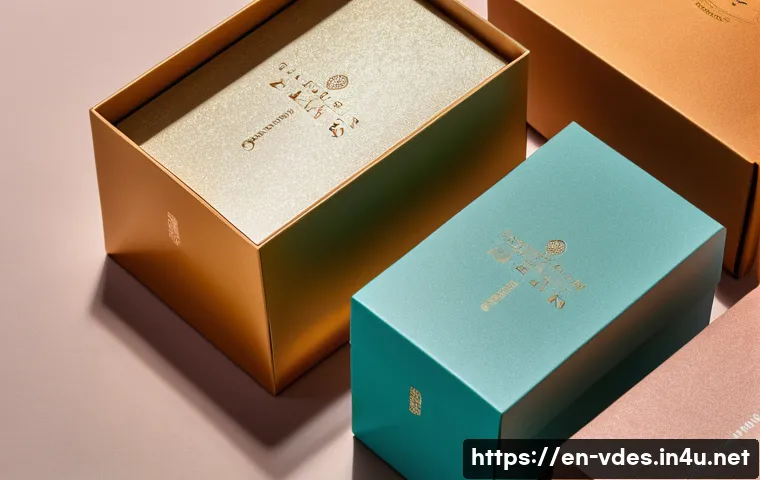
I’ve seen how metallic inks elevate luxury packaging, creating a premium look that stands out on shelves. Finishes like soft-touch lamination or embossing add layers of sophistication and tactile appeal.
Combining these with modern printing technologies allows for highly customized products that resonate emotionally and visually with consumers, giving brands a unique competitive advantage.
Flexible and Functional Print Substrates
The rise of flexible materials such as synthetic papers, films, and textiles has broadened print applications beyond traditional paper. These substrates offer durability, water resistance, and adaptability for products like labels, outdoor signage, and wearable prints.
I had the chance to work on a project involving waterproof labels for a beverage brand, where selecting the right substrate was critical for performance and aesthetics.
These materials also support sustainable initiatives by enabling recyclability or reusability. Understanding the properties and best uses of these substrates empowers designers to innovate and meet diverse client needs effectively.
Comparing Traditional and Digital Printing Technologies
Key Differences and Advantages
Traditional printing methods, like offset, rely on plates and are ideal for large volume runs with consistent quality. Digital printing, on the other hand, excels at short runs and customization, offering faster turnaround and less waste.
From personal experience, choosing between these methods depends heavily on project specifics such as budget, timeline, and desired finish. While offset delivers rich color depth and sharpness for mass production, digital printing’s flexibility makes it perfect for personalized marketing materials or prototypes.
Cost and Turnaround Time Considerations
Cost efficiency varies widely between traditional and digital printing. Offset printing has higher setup costs but becomes economical at scale, whereas digital printing’s minimal setup suits smaller quantities but may have a higher per-unit price.
Turnaround times also differ, with digital printing often delivering faster results. In a recent campaign, opting for digital printing allowed us to meet a tight deadline without compromising quality.
Understanding these trade-offs helps businesses optimize their print budgets and schedules effectively.
Environmental Impact and Sustainability
Digital printing tends to be more environmentally friendly due to less waste and lower chemical use. Traditional methods often consume more water and produce greater waste during plate setup and cleaning.
Incorporating eco-friendly inks and recycled papers is easier with digital workflows. For businesses prioritizing sustainability, these factors can influence printing method choices.
Balancing quality, cost, and environmental responsibility is increasingly vital in today’s conscientious market.
| Printing Technology | Best Use Case | Cost Efficiency | Turnaround Time | Environmental Impact |
|---|---|---|---|---|
| Offset Printing | Large volume, high-quality color | Low per unit at scale, high setup cost | Longer due to setup | Higher waste and chemical use |
| Digital Printing | Short runs, personalized print | Higher per unit, low setup cost | Fast, on-demand | Lower waste, eco-friendly options |
Future Trends Shaping Design and Print Industries
Integration of AI in Creative Processes
Artificial intelligence is increasingly becoming a collaborator in design, helping automate repetitive tasks, suggest layouts, or even generate creative concepts.
From my observations, AI tools speed up workflows, allowing designers to focus on higher-level creative decisions. While it won’t replace human intuition and emotion, AI’s assistance in pattern recognition and data analysis brings efficiency and inspiration.
As these tools mature, the fusion of human creativity and machine intelligence will redefine design paradigms.
Expanded Use of Smart Packaging
Smart packaging equipped with QR codes, NFC chips, or sensors offers brands new ways to engage consumers and track products. I’ve seen this technology used in food and beverage sectors to provide freshness data or interactive experiences.
This convergence of print and digital tech creates added value and deeper consumer connections. As costs decrease and consumer demand rises, smart packaging will become a standard feature, pushing designers to innovate beyond traditional print boundaries.
Emphasis on Ethical and Inclusive Design
The design community is increasingly focused on accessibility, diversity, and ethical considerations. Creating print materials that accommodate various needs—like legible fonts for visually impaired readers or culturally sensitive imagery—reflects evolving societal values.
From my experience collaborating with diverse clients, inclusive design not only broadens audience reach but also builds trust and respect. This trend challenges designers to be more thoughtful and intentional, making their work socially responsible as well as visually compelling.
Conclusion
Design and print have evolved into dynamic fields where color, composition, and technology intersect to create impactful experiences. Embracing new tools and sustainable practices empowers designers to craft meaningful, memorable work. Whether through personalized printing or ethical design, the future holds exciting possibilities for creative expression and connection.
Useful Information to Keep in Mind
1. Color psychology is a powerful strategy that influences emotional responses and brand perception.
2. Visual hierarchy and layout structure are essential for guiding viewers and improving engagement.
3. Typography shapes the tone and readability, playing a key role beyond just font selection.
4. Sustainable printing options reduce environmental impact without sacrificing quality.
5. Emerging technologies like AR and AI enhance creativity and personalize user experiences.
Key Takeaways
Understanding the balance between traditional and digital printing helps optimize cost, quality, and turnaround times for different projects. Incorporating eco-friendly materials and advanced printing techniques not only improves aesthetics but also aligns with growing environmental concerns. Designers should embrace innovation while prioritizing inclusivity and ethical considerations to create work that resonates deeply with diverse audiences. Mastery of both the artistic and technical aspects of design is essential for success in today’s competitive market.
Frequently Asked Questions (FAQ) 📖
Q: How have advancements in digital tools changed the way designers approach visual design and printing?
A: Digital tools have revolutionized the design and printing process by giving designers unprecedented control over every detail. Unlike traditional methods where adjustments were time-consuming and costly, today’s software allows for precise color matching, layout adjustments, and even 3D mockups before printing.
This means designers can experiment more freely, personalize projects to fit unique client needs, and reduce waste by catching errors early. From my own experience, having this level of control not only speeds up production but also elevates the quality and creativity of the final product.
Q: What role does sustainability play in modern printing technologies, and how can businesses benefit from it?
A: Sustainability has become a core focus in modern printing, with innovations like eco-friendly inks, recycled materials, and energy-efficient printers leading the way.
Businesses that adopt these green practices don’t just reduce their environmental footprint—they also attract eco-conscious consumers who value responsible production.
In practice, I’ve noticed companies that highlight sustainable printing often enjoy better brand loyalty and can even command premium pricing. Plus, many sustainable methods now offer cost savings over time, making it a win-win for both the planet and the bottom line.
Q: What opportunities do the latest visual design and printing technologies create for entrepreneurs and small businesses?
A: The latest technologies open up exciting doors for entrepreneurs by lowering barriers to entry and enabling highly customized products. With digital printing, small businesses can produce short runs of personalized packaging, promotional materials, or branded merchandise without huge upfront costs.
This flexibility allows for rapid testing of new ideas and quicker responses to market trends. From what I’ve seen working with startups, these tools empower them to compete with larger companies by delivering unique, high-quality designs that resonate with their target audience.
It’s truly a game-changer for creativity and business growth.