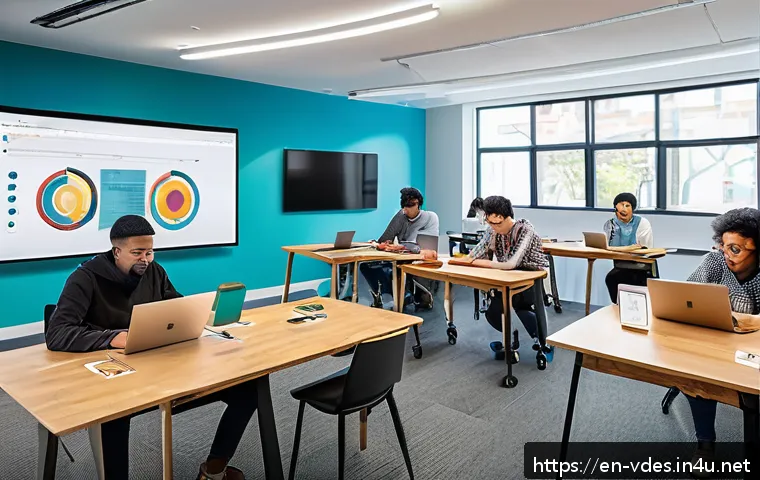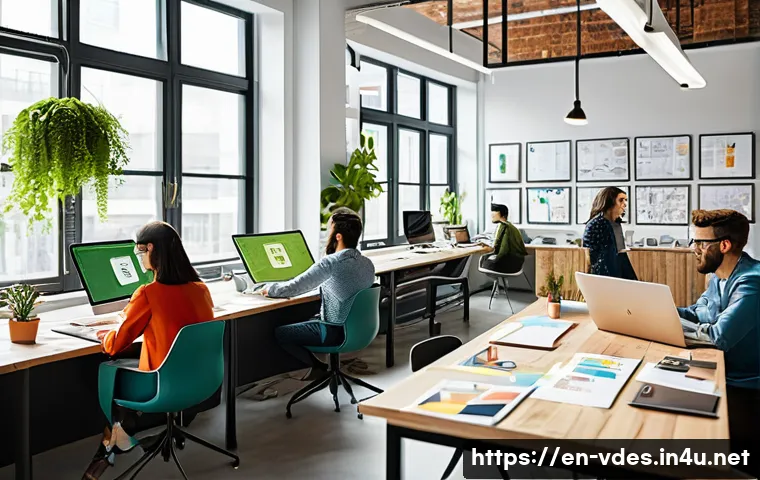
In today’s fast-paced creative world, collaboration in visual design has become more crucial than ever. Combining diverse perspectives not only sparks innovation but also helps tackle complex challenges with fresh ideas.
Whether it’s a team of graphic designers, marketers, or developers, working together can elevate a project from ordinary to extraordinary. I’ve personally seen how seamless teamwork can transform a simple concept into a visually stunning masterpiece.
Understanding real-world examples of such collaborations offers invaluable insights into the creative process. Let’s dive deeper and explore how these partnerships shape the future of design!
Breaking Down Silos: How Cross-Disciplinary Teams Elevate Design
Fostering Open Communication Channels
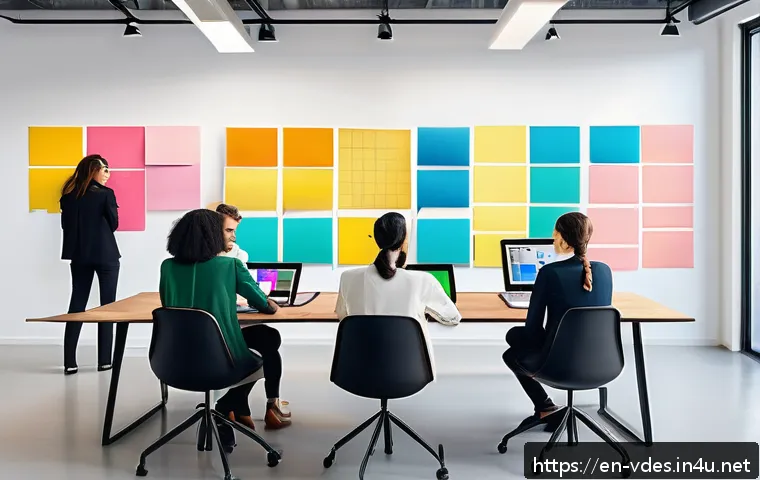
One of the biggest game-changers I’ve noticed in collaborative visual design is the intentional breakdown of communication barriers. When graphic designers, marketers, and developers openly share ideas without fear of judgment, creativity truly flourishes.
For example, during a recent project, the marketing team’s consumer insights sparked design tweaks that the designers wouldn’t have thought of on their own.
This flow of ideas between disciplines doesn’t just speed up decision-making—it often leads to solutions nobody expected, injecting fresh energy into the entire project.
The key is setting up regular check-ins and informal brainstorming sessions, which encourage everyone to voice their unique perspectives and feel heard.
Leveraging Diverse Skill Sets for Problem-Solving
Collaborative teams shine brightest when they combine their distinct skill sets to tackle complex design challenges. I’ve experienced firsthand how developers’ technical know-how complements designers’ creative instincts, resulting in interactive experiences that are both beautiful and functional.
Marketers add another layer, ensuring the visuals resonate with target audiences and align with brand messaging. This synergy creates a dynamic workflow where feedback loops are constant, and the final product is polished from multiple angles.
Importantly, this approach reduces rework and leads to more innovative outcomes because every angle is considered early on.
Creating Shared Goals and Accountability
Another critical factor in successful collaboration is establishing shared goals that everyone is invested in. When all team members understand the project’s purpose and their individual contributions, motivation naturally increases.
I’ve noticed projects where teams set clear milestones and success metrics tend to stay on track and deliver higher-quality results. This shared accountability fosters trust and encourages proactive problem-solving, rather than waiting for instructions.
Teams often use collaborative platforms like Trello or Asana to keep everyone aligned and transparent about progress, which helps maintain momentum and focus throughout the project lifecycle.
Integrating Technology to Streamline Collaborative Design
Adopting Cloud-Based Design Tools
One of the biggest shifts I’ve seen in visual design collaboration is the adoption of cloud-based tools such as Figma or Adobe XD. These platforms allow multiple people to work simultaneously on the same project, drastically reducing the back-and-forth emails and version control headaches.
From my experience, having real-time collaboration capabilities makes it easier to iterate quickly and incorporate feedback on the fly. It also democratizes the design process, letting non-designers like product managers or clients directly comment or suggest changes, which can speed up approvals and reduce misunderstandings.
Utilizing Project Management Software for Transparency
Project management tools like Jira, Monday.com, or ClickUp have become essential for keeping collaborative design projects organized. They provide a centralized place where tasks, deadlines, and responsibilities are visible to all team members.
I’ve found that this transparency prevents bottlenecks and helps catch potential delays early. When everyone knows what others are working on and how their tasks interlink, it creates a smoother workflow and reduces duplicated efforts.
Plus, these platforms often integrate with design tools, further streamlining communication between different roles.
Embracing Virtual Collaboration in Remote Teams
The rise of remote work has pushed teams to rethink how they collaborate visually across distances. Video conferencing combined with screen-sharing and interactive whiteboards like Miro or Mural allows teams to brainstorm and review designs as if they were in the same room.
From my experience, these virtual collaboration methods require a bit more intentionality—setting clear agendas, assigning roles, and ensuring everyone’s voice is heard.
But once mastered, they can be just as effective, if not more so, by bringing together diverse talent from around the globe without geographical limits.
Building Empathy Through User-Centered Collaborative Design
Involving Users Early and Often
One of the most impactful lessons I’ve learned is that collaboration isn’t just internal—it extends to involving end users throughout the design process.
User feedback sessions, usability testing, and co-creation workshops provide invaluable insights that shape the visual design to be more intuitive and impactful.
When designers, developers, and marketers come together to interpret user data, the team gains a shared empathy for the audience’s needs, pain points, and desires.
This collective understanding drives design choices that feel authentic and relevant, resulting in a stronger connection between product and user.
Mapping User Journeys Together
Creating user journey maps as a collaborative exercise helps align the entire team around how users interact with a product or service. I’ve facilitated sessions where cross-functional teams walk through each step of the user experience, identifying moments of delight and frustration.
This collaborative mapping often uncovers gaps or opportunities that might have been missed if each department worked in isolation. The process not only improves design decisions but also fosters a shared sense of ownership and responsibility for the user experience across teams.
Translating Insights Into Visual Storytelling
After gathering user insights, the challenge is translating those findings into compelling visual narratives. Collaborative teams excel when they work together to craft stories that resonate emotionally with users.
I’ve seen how marketers’ understanding of messaging, combined with designers’ ability to create visual metaphors and developers’ skill in delivering smooth interactions, makes the final product truly immersive.
This storytelling approach helps create designs that don’t just look good but communicate meaningfully, building trust and engagement with the audience.
Overcoming Challenges in Collaborative Visual Design
Managing Conflicting Opinions
One of the toughest aspects of collaboration is navigating differing viewpoints. In my experience, conflicting opinions can actually be a sign of a healthy, engaged team—but only if managed well.
Establishing a culture where disagreements are framed constructively rather than personally is crucial. Techniques like structured brainstorming, voting on ideas, or appointing a neutral facilitator can help keep discussions productive.
When conflicts are resolved with empathy and clear criteria, the team often arrives at stronger, more innovative solutions than any individual could have developed alone.
Balancing Creativity and Practical Constraints
Creative freedom sometimes clashes with budget, timeline, or technical limitations. I’ve witnessed projects where these constraints caused frustration, but collaborative teams that openly discuss these realities early on manage to find innovative compromises.
For instance, designers might simplify visuals to fit tight deadlines without sacrificing impact, while developers suggest alternative technical solutions.
This kind of transparent dialogue prevents last-minute surprises and ensures that creativity is channeled effectively within practical boundaries, leading to deliverables that satisfy both artistic vision and business needs.
Maintaining Momentum Over Long Projects
Sustaining energy and focus throughout lengthy design projects can be challenging. From my experience, teams that break down large projects into smaller, manageable phases with clear deliverables tend to maintain momentum better.
Regular check-ins, celebrating small wins, and rotating responsibilities help keep enthusiasm high. Additionally, fostering a culture of mutual support where team members feel comfortable asking for help or sharing concerns can prevent burnout.
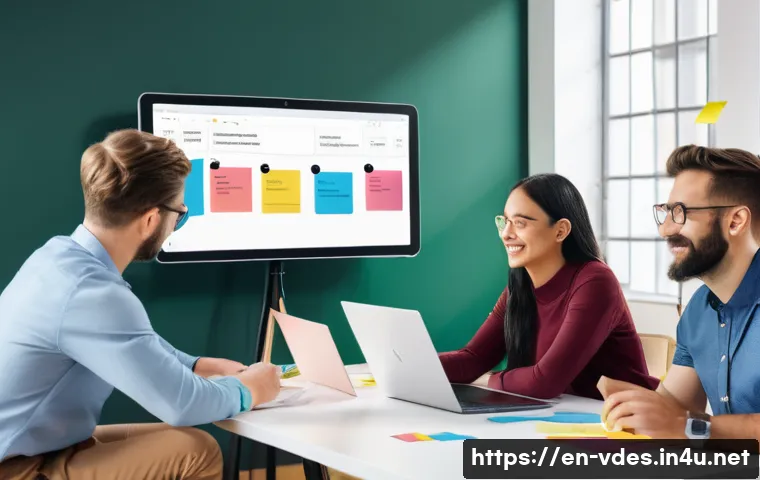
Effective collaboration requires ongoing effort to keep everyone aligned and motivated, especially when projects span months.
How Collaborative Design Drives Business Success
Accelerating Time-to-Market
When teams collaborate effectively, the entire design and development cycle speeds up. I’ve noticed that early and frequent collaboration eliminates costly miscommunications and rework, which often delay projects.
By bringing all stakeholders into the process from the start, decisions are made faster and with greater confidence. This agility allows businesses to launch products or campaigns sooner, gaining competitive advantage and responding more quickly to market demands.
Enhancing Brand Consistency and Recognition
Cross-functional collaboration ensures that every touchpoint of a brand’s visual identity aligns perfectly. Designers craft the visuals, marketers shape the messaging, and developers deliver consistent experiences online and offline.
I’ve seen how this tight alignment boosts brand recognition and trust among consumers, as the brand feels cohesive and professional across channels. Collaborative workflows make it easier to maintain style guides and brand standards, preventing fragmented or diluted brand presence.
Boosting Customer Engagement and Loyalty
A collaborative approach that centers on user needs naturally leads to designs that resonate and engage. When design teams work with marketing and development to continuously refine based on user data, the result is a more personalized and satisfying experience.
From my own observations, brands that invest in collaborative design see higher customer retention and advocacy, as users feel understood and valued. This emotional connection is key to long-term business growth and sustainable success.
| Aspect | Benefit | Example |
|---|---|---|
| Open Communication | Encourages idea sharing and innovation | Marketing insights influencing design tweaks |
| Cloud-Based Tools | Enables real-time collaboration and faster iteration | Using Figma for simultaneous design editing |
| User Involvement | Builds empathy and user-centered solutions | Conducting usability tests with cross-team feedback |
| Conflict Management | Transforms disagreements into better outcomes | Facilitated brainstorming sessions resolving disputes |
| Project Management | Improves transparency and reduces delays | Tracking tasks via Monday.com or Jira |
| Business Impact | Accelerates time-to-market and enhances brand loyalty | Collaborative workflows speeding up product launches |
Fostering Continuous Learning Through Collaborative Feedback
Encouraging Constructive Criticism
One thing I’ve found invaluable in collaborative visual design is creating a safe space for honest, constructive feedback. When team members feel comfortable sharing critiques without fear of offending others, it elevates the quality of work significantly.
I recall a project where iterative feedback loops allowed designers to refine visuals multiple times before finalizing, resulting in a much stronger end product.
Encouraging this culture means establishing clear guidelines on how to give and receive feedback respectfully, focusing on ideas rather than individuals.
Learning From Diverse Perspectives
Collaborative environments expose designers and other team members to viewpoints they might not encounter working solo. This diversity broadens understanding and sparks creativity.
For instance, marketers might highlight cultural nuances that influence color choices, while developers suggest ways to enhance accessibility. I’ve personally grown as a designer by absorbing these insights, which have expanded my toolkit and sensitivity to different audiences.
This ongoing exchange turns each project into a learning opportunity, enriching skills and perspectives.
Documenting Lessons for Future Projects
Finally, one practice that I highly recommend is systematically documenting lessons learned from each collaborative project. This can include what worked well, challenges faced, and innovative solutions discovered.
I’ve seen teams create shared knowledge bases or retrospectives that serve as valuable references for future work. Not only does this improve efficiency over time, but it also reinforces a culture of continuous improvement and collective wisdom, ensuring that collaboration keeps evolving and delivering better results with each new project.
Creating Inclusive Design Cultures That Empower Teams
Valuing Every Voice in the Room
True collaboration happens when every team member, regardless of role or experience level, feels their input is valued. I’ve noticed that teams who actively solicit ideas from junior members or those outside core design roles tend to uncover unexpected gems.
This inclusive approach builds confidence and ownership, which can transform the team dynamic from hierarchical to genuinely collaborative. Practices like rotating meeting facilitators or using anonymous idea submissions help level the playing field and encourage diverse contributions.
Supporting Flexibility and Adaptability
Visual design projects often evolve rapidly, and teams that embrace flexibility tend to thrive. From my experience, when teams remain open to changing direction based on feedback or emerging trends, the final designs are stronger and more relevant.
This adaptability requires trust and psychological safety within the group, allowing members to propose pivots without fear. Encouraging a mindset of experimentation rather than rigid perfectionism fosters innovation and resilience in the face of challenges.
Promoting Cross-Cultural Sensitivity
In today’s global market, collaborative teams often span cultures and geographies. I’ve seen how fostering awareness and respect for cultural differences enhances design relevance and team harmony.
This might involve adjusting visual elements to suit different cultural contexts or being mindful of communication styles. Inclusive design cultures prioritize empathy not only for users but also for teammates, creating environments where everyone feels respected and motivated to contribute their best work.
This ultimately leads to richer, more globally resonant designs.
Wrapping Up
Cross-disciplinary collaboration transforms the design process, driving innovation and efficiency. By breaking down silos and embracing diverse perspectives, teams create more meaningful and user-centered outcomes. Integrating technology and fostering open communication further elevate the quality and speed of projects. Ultimately, this approach not only enhances the final product but also strengthens team dynamics and business success.
Useful Insights to Remember
1. Open communication channels enable the free flow of ideas, sparking creativity and accelerating problem-solving.
2. Leveraging diverse skills from design, marketing, and development ensures well-rounded and innovative solutions.
3. Using cloud-based tools and project management software streamlines collaboration and keeps everyone aligned.
4. Involving users early cultivates empathy and helps create designs that truly resonate with the target audience.
5. Managing conflicts constructively and maintaining flexibility sustains momentum and encourages continuous improvement.
Key Takeaways
Successful collaborative design depends on fostering an inclusive culture where all voices are valued and open communication thrives. Embracing technology that supports real-time teamwork and transparent project tracking boosts efficiency and reduces delays. Prioritizing user involvement ensures that designs are empathetic and relevant, while clear shared goals and accountability keep teams motivated and focused. Finally, managing differing opinions with empathy and maintaining adaptability throughout the process leads to stronger, more innovative outcomes that drive both creative excellence and business growth.
Frequently Asked Questions (FAQ) 📖
Q: Why is collaboration so important in visual design projects?
A: Collaboration brings together diverse viewpoints and skills, which can lead to more innovative and well-rounded design solutions. When designers, marketers, and developers work together, they can identify potential issues early, merge different expertise, and push creative boundaries.
From my experience, projects where the team actively communicates and shares ideas tend to produce more impactful and polished results compared to working in isolation.
Q: What are some real-world examples of successful collaboration in visual design?
A: A great example is when a graphic designer teams up with a UX developer and a content strategist to create a website. Each person contributes their unique knowledge—designers focus on aesthetics, developers ensure usability, and strategists align the content with audience needs.
I’ve witnessed firsthand how this synergy transforms a basic site into an engaging, user-friendly experience that drives higher engagement and conversions.
Q: How can teams overcome common challenges in collaborative design work?
A: Communication is key to overcoming obstacles like conflicting ideas or deadlines. Setting clear goals, using collaboration tools like shared project boards, and holding regular check-ins can keep everyone aligned.
Personally, I’ve found that fostering an environment where feedback is welcomed and diverse opinions are respected helps resolve disagreements quickly and encourages creative problem-solving, making the whole process smoother and more enjoyable.